

Physio, OT, Speech or Psych? How to Match NDIS Goals with the Right Clinician
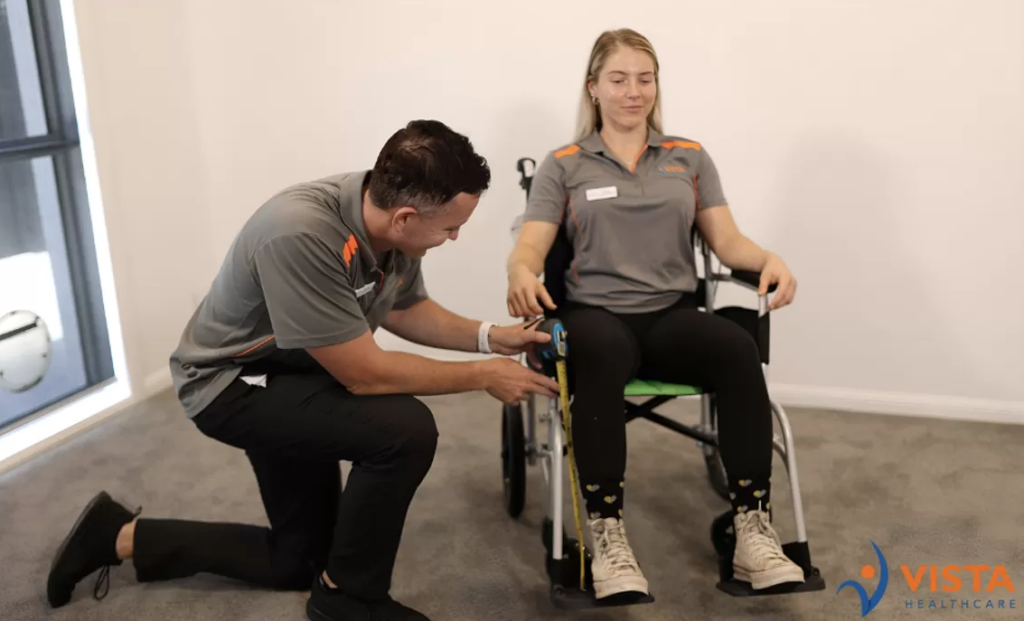
Choosing the right allied health professional can make a significant difference in how effectively NDIS goals are achieved. With multiple disciplines involved, it is common for support coordinators and referrers to ask which allied health professional NDIS participants should see for specific needs.
This guide outlines the roles of physiotherapists, occupational therapists, speech pathologists, and psychologists, and how to match each discipline to the right participant goals.
Overview of Allied Health Roles in NDIS (Physio, OT, Speech, Psychology)
The NDIS supports a range of allied health services to improve independence, function, and participation. Each discipline has a distinct role.
- Physiotherapy: Focuses on movement, strength, balance, and physical rehabilitation. More details are available on our Physiotherapy page.
- Occupational Therapy: Supports daily living skills, home safety, and functional independence. Learn more on our Occupational Therapy page.
- Speech Pathology: Assists with communication, swallowing, and language development. Professional guidance is available through Speech Pathology Australia.
- Psychology: Supports mental health, behaviour, and emotional wellbeing. More information is available via the Australian Psychological Society.
NDIS participants can access these supports based on their plan and goals. Further information is available on the NDIS website.
Common Goals and Which Clinician Leads Them
Understanding physio or occupational therapy for NDIS goals depends on the type of outcome being targeted.
- Mobility and strength goals: Typically led by physiotherapists
- Daily living skills (ADLs): Managed by occupational therapists
- Communication goals: Led by speech pathologists
- Emotional regulation or behaviour support: Managed by psychologists
For participants with multiple needs, more than one clinician may be involved. Our services support a wide range of participants, as outlined on our Who We Help page.
When to Co-Treat
In many cases, a combined approach delivers better outcomes. For example, falls prevention often requires both physiotherapy and occupational therapy input.
- Physiotherapy: Improves strength, balance, and walking ability
- Occupational Therapy: Addresses environmental risks and daily routines
Co-treatment can also apply to:
- Post-surgery rehabilitation
- Neurological conditions
- Complex disability support
This approach ensures that both physical and functional factors are addressed together.
How to Write Goals and Referrals That Support the Right Therapy
Clear and specific goals help ensure the correct therapy is recommended. When preparing an NDIS referral, the questions often depend on how well the goals are defined.
Effective goals should:
- Be functional and measurable
- Reflect on daily activities or participation
- Align with NDIS funding criteria
- Identify the main area of need (physical, cognitive, communication, or emotional)
Referrers can include details about mobility, independence, communication ability, or behaviour to guide clinician selection. For more information about NDIS services, visit our NDIS page.
Example Case Studies for Kids and Adults
Child Example:
A child with developmental delay may require occupational therapy for fine motor skills, speech pathology for communication, and psychological support for emotional regulation.
Adult Example:
An adult recovering from injury may require physiotherapy for strength and mobility, alongside occupational therapy for home safety and daily tasks.
For participants requiring mental health support, services are available through our Mental Health page.
Get Help Choosing the Right Allied Health Support
If you are unsure which therapy is most appropriate, Vista Healthcare can assist with referral guidance and service coordination.
Our team works with support coordinators, GPs, and families to match participants with the right clinicians based on their goals and needs. You can submit a referral via our Referrals page or contact us directly through our Contact page.