

Neck Pain Exercises for Older Adults: Safe and Gentle Movements from a Home Physio
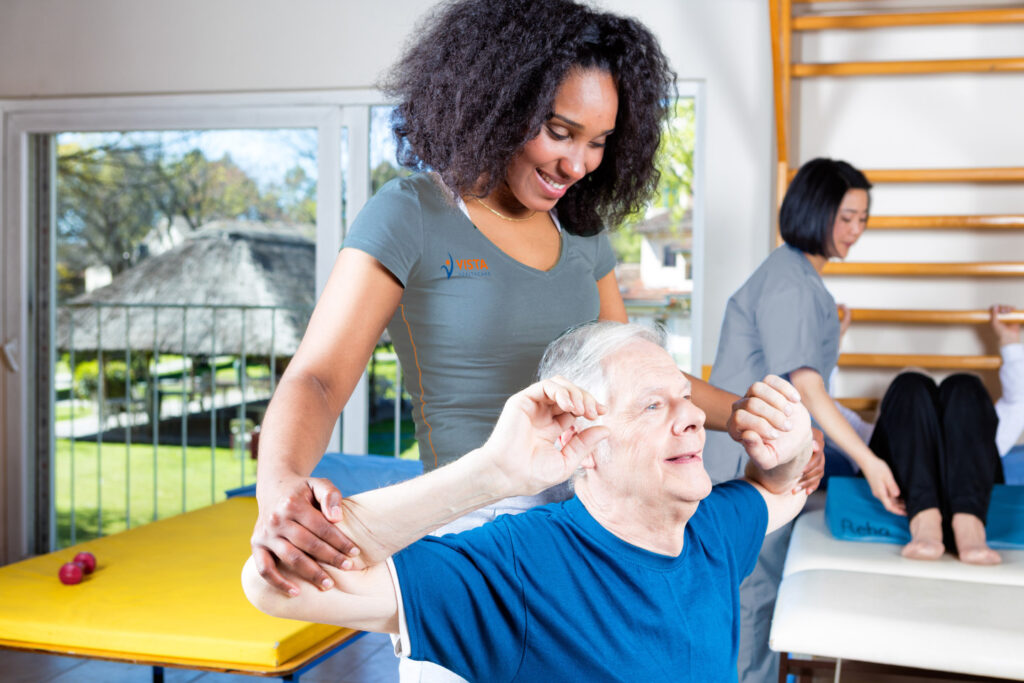
Neck stiffness is one of the most common complaints we hear from older clients across Sydney, the Gold Coast and Brisbane. It can make it harder to check blind spots while driving, look down to read, or simply turn over in bed comfortably. The good news is that a few gentle, well-chosen exercises can ease stiffness and support better movement, as long as they are done safely.
Why Neck Stiffness Becomes Common With Age
As we get older, the discs and joints in the neck naturally lose some of their cushioning and flexibility. Muscles that support the head and shoulders can weaken if they are not used regularly, and many people spend long hours sitting with their head tilted forward, whether that is reading, watching television or using a phone. Over time, this posture places extra load on the neck and upper back.
Conditions such as osteoarthritis, previous injuries and reduced general activity can add to the stiffness. According to Healthdirect, neck pain is extremely common and is usually related to muscle strain, poor posture or wear and tear rather than anything serious. Understanding this can take some of the worry out of finding the right exercises. For clients managing ongoing discomfort, our chronic pain management support looks at the whole picture, not just the neck in isolation.
Safety Checks Before Exercising
Before starting any new exercise routine, it is worth pausing to check a few things. Gentle movement is usually safe and helpful for everyday stiffness, but some situations call for a professional assessment first.
Ask yourself the following before beginning:
- Has the pain come on suddenly, or after a fall or knock to the head?
- Does the pain travel down one or both arms, or come with numbness or tingling?
- Do you feel dizzy, unsteady or lightheaded when you move your neck?
- Do you have any condition affecting your bones, such as osteoporosis, that your doctor has flagged as a concern?
If you answered yes to any of these, it is best to speak with your GP or one of our physiotherapists before trying the exercises below. For most people managing ordinary stiffness, though, gentle daily movement is one of the most effective things you can do. Better Health Channel notes that staying gently active, rather than resting completely, tends to help neck pain settle faster.
Our team also supports many seniors through home care physiotherapy for seniors, where a therapist can check your posture, strength and movement patterns in the comfort of your own home before recommending an exercise plan tailored to you.
Gentle Neck Exercises at Home
These three exercises are commonly recommended by physiotherapists for everyday neck stiffness. Move slowly, breathe normally, and stop if anything feels sharp or worsens your symptoms.
Chin Tuck
Sit or stand tall with your shoulders relaxed. Gently draw your chin straight back, as if making a small double chin, without tilting your head up or down. Hold for three to five seconds, then release. Repeat eight to ten times. This exercise strengthens the deep neck muscles that support good posture.
Supported Rotation
Sitting in a supportive chair, keep your shoulders facing forward and slowly turn your head to look over one shoulder as far as is comfortable. Hold for a few seconds, return to the centre, then repeat on the other side. Aim for five to eight repetitions each way, always moving within a comfortable, pain-free range.
Shoulder Blade Setting
Sit tall and gently draw your shoulder blades down and back, as though tucking them into your back pockets, without shrugging. Hold for five seconds and release. Repeat ten times. This helps take pressure off the neck by improving upper back support.
What to Avoid With Dizziness or Severe Pain
Some neck movements are not appropriate for everyone, particularly if dizziness is part of the picture. Avoid fast head turns, full circular head rolls and any exercise that brings on lightheadedness, blurred vision or a feeling of unsteadiness. Dizziness with neck movement can sometimes be linked to inner ear issues, blood pressure changes or balance problems, and Healthdirect recommends getting these symptoms checked rather than working through them.
Because unsteadiness on your feet increases the risk of a fall, this is also worth reading alongside our guide on falls prevention exercises for older adults, which covers safe ways to build strength and balance at the same time.
When a Physio Assessment Is Needed
If your neck pain has lasted more than a couple of weeks, keeps returning, or is limiting your daily activities such as driving, dressing or sleeping, it is a good time to arrange an assessment. A physiotherapist can check your posture, joint movement and muscle strength, and build a plan that reflects what is actually going on for you rather than a generic routine.
Vista Healthcare’s therapists carry out home physiotherapy visits across Sydney, the Gold Coast and Brisbane, so you can be assessed and start treatment without having to travel while you are sore or unsteady.
Ready to Move More Comfortably at Home
If neck stiffness is getting in the way of everyday life, our physiotherapists can visit you at home across Sydney, the Gold Coast and Brisbane to assess what is causing it and build a safe, personalised plan. Contact us to arrange a home visit with our team.
FAQs
Is it normal for neck pain to get worse before it gets better?
Tension-type headaches are often linked to neck stiffness, and improving neck posture and strength can reduce how often they occur for some people.
How often should I do these exercises?
Tension-type headaches are often linked to neck stiffness, and improving neck posture and strength can reduce how often they occur for some people.
Can neck exercises help with headaches?
Tension-type headaches are often linked to neck stiffness, and improving neck posture and strength can reduce how often they occur for some people.
Do I need a referral to see a physiotherapist?
No referral is needed for private clients, though referrals are welcome from GPs, support coordinators and aged care staff.