

What Does a Mobile Physiotherapist Do After Joint Surgery?
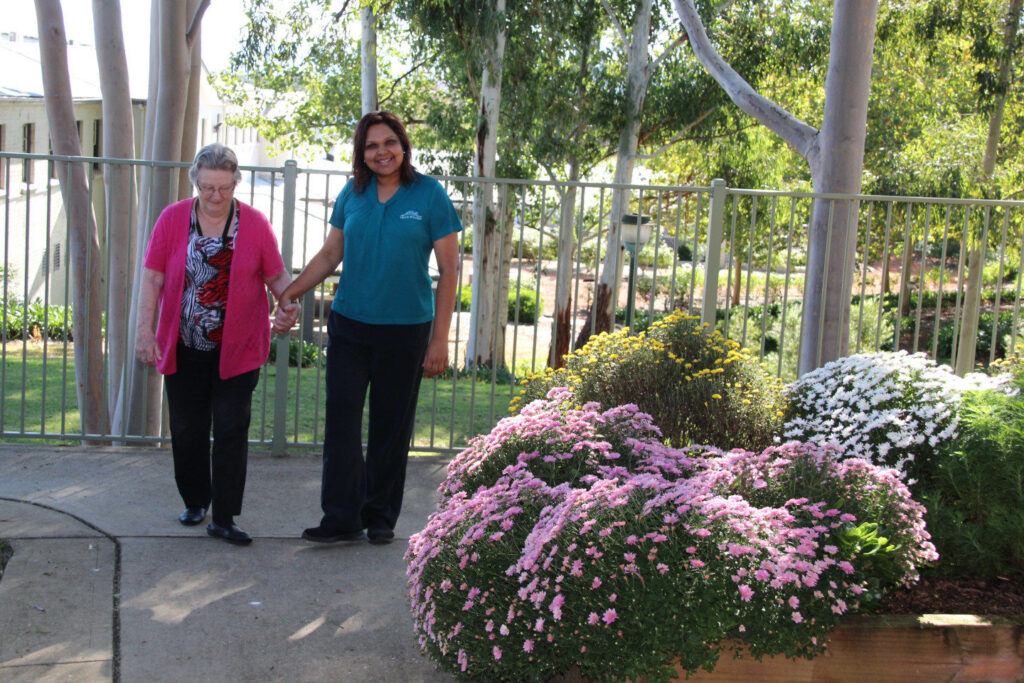
Returning home after joint surgery can bring a new set of practical challenges. Walking with an aid, moving between rooms, managing stairs and completing personal care may feel different while strength and confidence are returning.
Mobile physiotherapy brings rehabilitation into the home environment. This allows the physiotherapist to consider how the person is moving through the rooms they use every day and develop therapy around meaningful recovery goals.
Key Takeaways
- Home rehabilitation can connect exercises with everyday activities.
- The first visit can include assessment of mobility, strength, balance and the home environment.
- Recovery goals should reflect the person’s surgery, medical instructions and daily priorities.
- Hip and knee replacement rehabilitation can involve different movement considerations.
- Family members and carers can play an important role in supporting safe rehabilitation.
- Referral and funding pathways depend on the individual’s circumstances.
Why Home Rehabilitation Matters After Surgery
The first period at home after joint surgery can involve changes to mobility, strength and confidence. A person may need to use walking aids, modify daily routines or rely on family members for some activities while recovering.
Healthdirect explains that rehabilitation after hip replacement can include physiotherapy and occupational therapy, with walking and rehabilitation introduced after surgery according to the person’s clinical plan. Read Healthdirect’s Hip Replacement Information.
Home rehabilitation also gives the therapist an opportunity to connect treatment with practical activities. Getting out of bed, sitting down, walking to the kitchen and completing personal care can all become part of the functional recovery process.
The First Home Assessment
A home physiotherapy assessment begins with understanding what has happened, how the person is currently moving and what their healthcare team has recommended. The physiotherapist may review available medical information and ask about pain, mobility, exercises and daily activities.
Vista Healthcare explains that its physiotherapy initial assessment includes consultation time, relevant testing and observation, medical report review where relevant and goal setting before an appropriate rehabilitation plan is formulated. Explore Vista Healthcare’s Physiotherapy Service.
Looking at Everyday Movement
The therapist may observe walking, transfers and other activities that form part of the person’s routine. This can provide useful information about how the person is managing beyond a hospital or clinic environment.
Home assessment can also make it easier to identify practical challenges that could interfere with rehabilitation, such as difficult furniture heights, narrow pathways or stairs.
Setting Appropriate Recovery Goals
Goals should be individual. One person may want to walk independently around the house, another may want to prepare meals again, while another may be working towards returning to community activities.
The physiotherapist can use these goals to guide exercise selection and progression. Vista Healthcare’s home physiotherapy service emphasises individual goals and patient-directed care.
Mobility, Strength and Confidence Goals
Post-operative physiotherapy is not limited to walking practice. Rehabilitation may also address muscle strength, balance, joint movement, endurance and confidence with everyday activities.
The exact programme will vary depending on the surgery and the instructions provided by the surgeon or treating team. Exercise should complement those instructions rather than replace them.
Rebuilding Strength
After surgery, muscles around the affected joint may be weaker because of pain, reduced activity and the recovery process. Appropriate strengthening can help a person gradually rebuild capacity for everyday tasks.
Vista Healthcare provides individual exercise programmes and describes a graded approach based on the client’s physical capacity and rehabilitation goals. Learn More About Home Visit Physiotherapy.
Rebuilding Confidence
Confidence often develops alongside physical capacity. A person who is physically capable of walking may still feel hesitant because they are worried about falling or making the wrong movement.
Practising useful activities with professional guidance can help the person understand their current abilities and work towards safer, more confident movement.
Support After Hip Versus Knee Replacement
Hip and knee replacement both involve joint rehabilitation, but the recovery experience can differ. The surgical procedure, movement restrictions, pain levels, strength deficits and mobility goals vary between individuals.
Healthdirect explains that hip replacement rehabilitation can include physiotherapy and occupational therapy, while recovery timelines vary between people. Read Healthdirect’s Hip Replacement Information.
After Hip Replacement
After hip replacement, the treating team may provide instructions about movement and activities during the early recovery period. Walking support is commonly used while the person develops strength and stability.
A physiotherapist can help the person apply their prescribed rehabilitation programme to everyday situations such as walking between rooms, getting up from a chair and gradually increasing activity.
After Knee Replacement
Knee replacement recovery can involve pain, swelling, reduced strength and limited movement. Healthdirect states that people are usually given an exercise and physiotherapy programme after knee replacement and that strength and flexibility can continue improving over an extended period. Read Healthdirect’s Knee Replacement Information.
Home physiotherapy can help connect prescribed rehabilitation with real activities. This may include walking practice, strengthening and functional movement according to the person’s stage of recovery.
Working With Family and Discharge Teams
Recovery is often supported by several people. A hospital discharge team may provide instructions for returning home, while family members or carers may help with transport, personal tasks, medication routines and exercises.
Communication is particularly useful when several people are involved. Everyone should understand the rehabilitation instructions provided by the clinical team and know how to support the person safely.
Keeping Communication Clear
A mobile physiotherapist can work within the existing recovery plan and communicate relevant functional observations with appropriate members of the person’s care team.
Vista Healthcare’s approach also recognises the importance of communication with families and carers. Its home physiotherapy services encourage clients to self-manage where appropriate while providing guidance throughout rehabilitation.
Supporting the Person Without Taking Over
Family support should encourage independence where it is safe and appropriate. Doing everything for someone can sometimes reduce opportunities to practise useful skills.
The physiotherapist can help families understand which activities the person can attempt independently and where assistance may still be required.
Funding and Referral Pathways
Funding for physiotherapy depends on the individual’s circumstances. Someone may access services privately, through an applicable care arrangement, through a relevant funding scheme or through another referral pathway.
Vista Healthcare provides physiotherapy for private clients as well as people accessing NDIS, Home Care, DVA and other pathways. Explore Vista Healthcare’s Physiotherapy Services for information about available mobile services.
Starting With a Referral
A referral can include information about the person’s surgery, current mobility, funding arrangement and relevant concerns. The more useful information available at intake, the easier it is to understand what type of support may be appropriate.
Submit a Referral to Vista Healthcare to discuss mobile physiotherapy after joint surgery. The referral page accepts information from healthcare professionals, support coordinators, case managers, family members and people self-referring.
When Home Physiotherapy May Be Useful
Home physiotherapy may be particularly useful when travelling to a clinic is difficult or when recovery needs to be considered within the person’s home environment.
Vista Healthcare’s mobile service is available across Greater Sydney, Brisbane and the Gold Coast. Explore Home Visit Physiotherapy to understand how sessions can be delivered in the home or another appropriate setting.
Functional Recovery at Home
A person may be able to perform an exercise in isolation but struggle when applying it to an everyday task. Home-based rehabilitation allows the therapist to work with practical movement requirements.
For older adults receiving home care, Home Care Physiotherapy for Seniors also provides information about mobility, strength, balance and recovery support in familiar environments.
FAQs
How Soon After Joint Surgery Can Physiotherapy Start?
+
The timing depends on the type of surgery, medical instructions and the individual’s condition. The surgeon and healthcare team should determine when specific rehabilitation activities are appropriate.
A physiotherapist can then work within those instructions and gradually develop the person’s rehabilitation programme.
Can a Mobile Physiotherapist Come to My Home?
+
Yes. Vista Healthcare provides mobile physiotherapy in homes and other appropriate settings across Greater Sydney, Brisbane and the Gold Coast.
Learn More About Home Visit Physiotherapy for further information.
What Does a Home Physiotherapy Visit Include?
+
A visit may include assessment, movement observation, goal setting, exercise prescription and functional rehabilitation. The exact activities depend on the individual’s surgery and recovery needs.
Vista Healthcare states that its initial physiotherapy assessment includes testing, observation and goal setting before the rehabilitation plan is developed.
Can Family Members Be Involved?
+
Family and carers can be involved where appropriate. They may receive guidance about safe support, exercise routines and ways to encourage independence.
The level of involvement should be based on the person’s needs and the instructions of their treating team.
Can I Arrange Physiotherapy Through a Referral?
+
Yes. Vista Healthcare accepts referrals from healthcare professionals, family members, support coordinators, case managers and people who wish to self-refer. Submit a Referral.
Bring Rehabilitation Home When Recovery Needs Practical Support
Recovering from joint surgery involves changes that extend beyond the surgical site. Walking, transfers, strength, confidence and everyday routines all form part of returning to normal activities.
When travelling to a clinic is difficult or rehabilitation needs to be considered within the home, contact Vista Healthcare to discuss mobile physiotherapy support.