

Arthritis Pain Management for Older Adults: How Home Physiotherapy Can Help
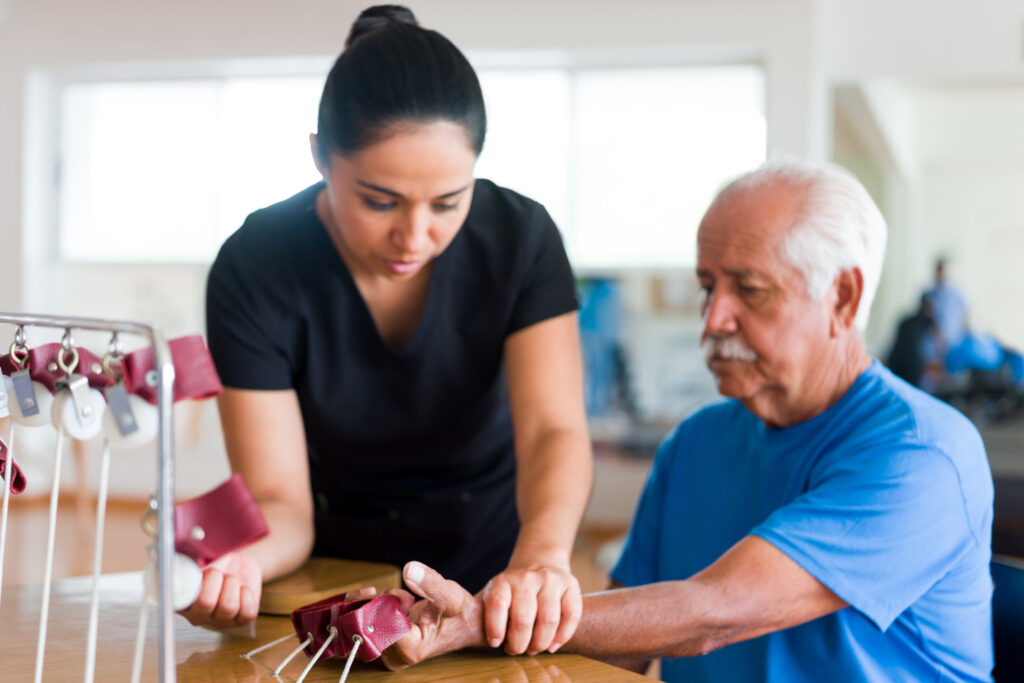
Arthritis can make everyday activities increasingly difficult, particularly when joint pain and stiffness begin affecting walking, dressing, cooking or getting out of a chair. For older adults, these changes can gradually influence independence and confidence, making even familiar routines feel more demanding.
The right management approach considers the person’s symptoms, mobility, daily activities and personal goals. Home physiotherapy can help older adults work towards better movement and functional ability through individualised exercise programmes, practical advice and support in their own environment.
Key Takeaways
- Arthritis can affect different joints and influence everyday independence.
- Appropriate physical activity can help maintain strength, mobility and joint function.
- Pacing activities can help make daily routines more manageable.
- Exercise programmes should be adjusted during periods of increased symptoms.
- Physiotherapy can help older adults develop suitable movement strategies.
How Arthritis Pain Affects Independence
Arthritis can influence how comfortably a person moves and performs daily activities. Joint pain, stiffness and reduced mobility may make walking, standing, climbing stairs, preparing meals or completing personal care more difficult. Some older adults gradually change their routines to avoid movements that cause discomfort.
These changes can have wider effects on independence. Someone who previously managed household tasks alone may begin relying on family members for assistance, while another person may reduce social activities because travelling or walking has become uncomfortable. Healthdirect explains that osteoarthritis can affect mobility, sleep, daily activities and overall wellbeing. Read Healthdirect’s Osteoarthritis Guide.
Pain and Difficulty With Everyday Tasks
Pain can become noticeable during activities that involve repeatedly using affected joints. For example, someone with knee arthritis may find standing from a chair or walking across a shopping centre uncomfortable, while someone with hand arthritis may struggle with opening containers or handling household objects.
The impact can vary throughout the day. Some people experience more stiffness after resting, while others notice discomfort after completing several activities. Understanding these patterns can help identify which routines need adjustment.
Changes in Confidence and Participation
Living with persistent joint pain can influence a person’s willingness to stay active. Someone who has difficulty walking may begin avoiding outings, while another person may become hesitant to use stairs or move around unfamiliar environments.
Reduced participation can affect physical conditioning and social connection. A suitable management plan can help address physical limitations while considering the activities that the person values.
Common Joints Affected in Older Adults
Arthritis can affect different joints, and the symptoms depend on the type of arthritis and the areas involved. Osteoarthritis commonly affects weight-bearing joints such as the hips and knees, although it can also involve the hands and spine.
The location of discomfort can influence everyday function. Understanding which joints are affected helps physiotherapists consider the types of movement, strength and activities that may need attention. Explore Osteoarthritis Information from the Arthritis Movement for further information about symptoms and treatment options.
Hip Arthritis
Hip arthritis can contribute to pain, stiffness and difficulty with walking, standing and changing positions. Some people find that getting into a vehicle, climbing stairs or putting on footwear becomes more challenging.
Home physiotherapy can consider how hip discomfort affects walking and everyday transfers. A programme may include suitable strengthening, mobility exercises and functional movement practice based on the individual’s assessment.
Knee Arthritis
Knee arthritis can affect activities that require the person to support their body weight. Walking, standing from a chair, using stairs and completing household activities may become uncomfortable.
A physiotherapist can assess lower limb strength, walking ability and balance to determine an appropriate exercise approach. The focus is on supporting useful movement while considering the person’s symptoms and physical capacity.
Hand and Finger Arthritis
Arthritis affecting the hands can influence grip strength, dexterity and the ability to manipulate everyday objects. Activities such as buttoning clothing, preparing meals, opening containers and using household equipment may become more difficult.
Occupational therapy may also be worth considering when hand limitations affect independence. Equipment recommendations and practical strategies can help make certain tasks easier to manage. Explore Vista Healthcare’s Occupational Therapy Services for more information about functional assessments and equipment recommendations.
Spinal Arthritis
Arthritis affecting the spine may contribute to stiffness and discomfort during sitting, standing and movement. Some older adults notice that turning, reaching or maintaining particular positions becomes more difficult.
An appropriate assessment can consider spinal mobility alongside strength, posture and functional movement. Other conditions can produce similar symptoms, so persistent or worsening back pain should not automatically be attributed to arthritis.
Movement, Pacing and Daily Routines
Maintaining suitable physical activity is an important part of arthritis management. Exercise can help preserve muscle strength, improve mobility and support general physical wellbeing, although the appropriate activities vary depending on the joints affected and the person’s health.
The Arthritis Movement recommends choosing activities that suit individual abilities and gradually increasing activity where appropriate. Read the Arthritis Movement’s Physical Activity and Exercise Guidance.
Breaking Activities Into Manageable Steps
Some older adults find that completing too many activities at once increases discomfort or fatigue. Breaking larger tasks into smaller steps can make daily routines more manageable.
For example, household cleaning can be divided into shorter activities with rest periods in between. Preparing meals can also become easier when commonly used items are placed within comfortable reach and unnecessary movement is reduced.
Balancing Activity and Rest
Pacing involves finding a manageable balance between activity and recovery. The aim is to avoid repeatedly overexerting the affected joints while still maintaining suitable movement throughout the day.
An older adult may benefit from planning more demanding activities when energy levels are higher. Rest periods can also be included between tasks instead of waiting until fatigue or discomfort becomes difficult to manage.
Maintaining Consistent Movement
Long periods of inactivity may contribute to stiffness and reduced physical conditioning. Regular movement, even in shorter sessions, can help some people maintain their mobility.
The most suitable routine depends on the person’s symptoms and abilities. A physiotherapist can help identify appropriate activities and adjust the programme as physical capacity changes.
Home Physiotherapy for Arthritis Pain
Home physiotherapy allows older adults to receive assessment and exercise support in an environment where their daily activities take place. This is particularly useful when travelling to a clinic is difficult because of pain, limited mobility or fatigue.
Vista Healthcare provides Home Visit Physiotherapy for people who require assessment and treatment at home. The service includes individualised exercise programmes designed to support strength, mobility, flexibility, endurance and quality of life.
Assessing Movement and Functional Ability
A physiotherapist can assess how arthritis affects the person’s walking, balance, strength and everyday movement. This may include observing how they rise from a chair, move through the home or complete activities that have become uncomfortable.
The assessment helps identify functional limitations and establish meaningful rehabilitation goals. These goals should reflect the person’s priorities rather than focusing exclusively on individual joint movements.
Developing a Personalised Exercise Programme
A suitable programme may include strengthening, mobility and functional exercises. The exact movements and level of difficulty depend on the joints affected, the person’s symptoms and their general health.
Exercise can also be adjusted as the person’s ability changes. This allows the programme to remain relevant while supporting gradual improvements in physical capacity.
Physiotherapy for Older Adults Receiving Home Support
Some older adults experience several challenges at once, including arthritis, reduced balance, limited endurance and difficulty travelling independently. Home-based support can make it easier to address these needs within an organised care arrangement.
Vista Healthcare provides Home Care Physiotherapy for Seniors across the Gold Coast and Brisbane. The service focuses on mobility, independence, strength and balance for older adults receiving home care support.
Safe Activity During Pain Flare-Ups
Arthritis symptoms can fluctuate. Some days may involve relatively comfortable movement, while other periods may bring increased pain, stiffness or swelling. Adjusting the intensity and duration of activity during these periods can help prevent unnecessary aggravation.
The Arthritis Movement advises reducing activity intensity when symptoms flare and avoiding vigorous exercise involving a joint that is red, hot, swollen or particularly painful. It also recommends seeking guidance from a healthcare professional when exercise causes unusual or prolonged discomfort. Read the Arthritis Movement’s Exercise Safety Guidance.
Recognising When to Modify Exercise
An exercise programme should not remain fixed regardless of how someone feels. When discomfort increases, the person may need to reduce the repetitions, range of movement or duration of an activity.
A physiotherapist can explain how to make these adjustments and when an exercise should be temporarily stopped. The appropriate response depends on the symptoms and whether there are other health concerns.
Avoiding Prolonged Inactivity
During periods of increased discomfort, some people become concerned that any movement will worsen their arthritis. However, complete inactivity may contribute to reduced strength and mobility.
The goal is to identify comfortable and appropriate activities rather than forcing a person to exercise through unusual pain. Shorter sessions and modified movements may be suitable in some circumstances.
When Professional Guidance Is Important
A newly swollen, hot or very painful joint should be assessed rather than managed through exercise alone. Sudden changes in mobility, unexplained symptoms or significant deterioration may also require medical review.
Healthdirect explains that people experiencing persistent joint pain or difficulty walking should speak with their doctor. Read Healthdirect’s Osteoarthritis Guide for additional information about symptoms and management.
When to Seek Professional Support
Professional support may be appropriate when arthritis pain begins interfering with everyday activities, affects sleep or makes movement increasingly difficult. An assessment can help clarify the functional problems and determine whether physiotherapy, occupational therapy or medical management may be useful.
Healthdirect explains that osteoarthritis care may involve doctors, physiotherapists, occupational therapists and other healthcare professionals depending on the person’s circumstances. Learn More About Osteoarthritis Management.
When Pain Affects Walking
Difficulty walking can influence independence in several ways. Someone may avoid community activities, need assistance with shopping or find it harder to complete basic household tasks.
A physiotherapist can consider walking ability, strength and balance to understand which areas may benefit from rehabilitation. The appropriate programme should reflect the person’s health and mobility needs.
When Household Activities Become Difficult
Difficulty dressing, showering, cooking or managing household responsibilities may indicate that arthritis is affecting functional independence.
Occupational therapy may help identify equipment or practical changes that make these activities easier. Home-based allied health can also consider the environment rather than focusing only on symptoms.
Exploring Support Through Australian Aged Care Services
Older Australians who need assistance at home may benefit from exploring the current Australian aged care system. My Aged Care explains the Support at Home programme, which replaced the Home Care Packages Program on 1 November 2025. Eligible older people may access clinical support and other services depending on their assessed needs. Explore the Support at Home Programme.
FAQs
Can Physiotherapy Help With Arthritis Pain?
+
Physiotherapy can help older adults maintain mobility, strengthen supporting muscles and develop suitable ways of managing everyday activities. The programme depends on the affected joints, symptoms and individual health needs.
Should Older Adults Exercise if They Have Arthritis?
+
Appropriate physical activity is generally encouraged for people with arthritis. However, the type and intensity should reflect the person's symptoms, fitness and health conditions.
What Is the Best Exercise for Arthritis?
+
There is no single exercise that is best for everyone. Walking, swimming, cycling, strengthening and flexibility activities may be suitable depending on the individual and the joints affected.
Should I Stop Exercising During an Arthritis Flare?
+
Exercise may need to be modified when pain and stiffness increase. Vigorous activity involving a particularly painful, hot or swollen joint should be avoided until appropriate professional advice has been obtained.
Can a Physiotherapist Visit an Older Adult at Home?
+
Yes. Vista Healthcare provides mobile physiotherapy services for people who may find clinic appointments difficult or prefer treatment within their home environment. Explore Home Visit Physiotherapy.
Can Arthritis Affect Independence?
+
Yes. Pain and stiffness can affect walking, transfers, personal care and household activities. Appropriate therapy and environmental strategies may help older adults maintain participation in meaningful routines.
Give Your Joints the Support They Need to Keep Moving
Arthritis can affect different parts of the body and influence how comfortably an older adult manages everyday life. With an appropriate combination of movement, pacing and professional support, it may be possible to maintain useful mobility and work towards meaningful independence goals.
If arthritis pain is affecting walking, household tasks or daily routines, contact Vista Healthcare through the referral page to discuss home physiotherapy support.