

90-Day Falls Prevention Program for Aged Care: Sample Physio/OT Schedule and KPIs
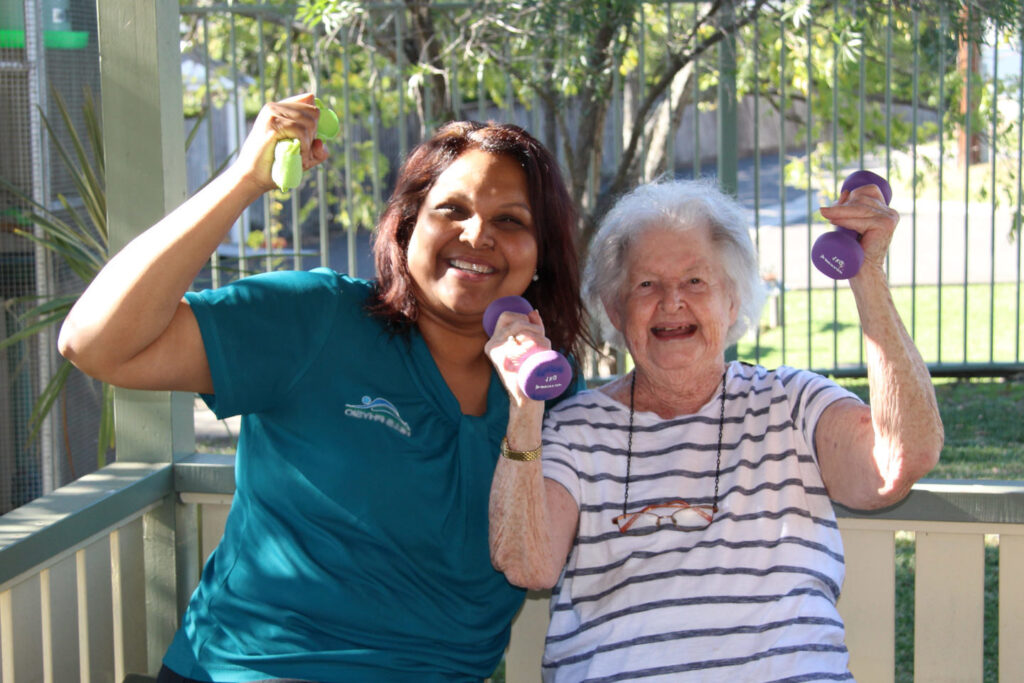
Falls remain one of the most common clinical risks in residential aged care. Facilities often experience clusters of incidents within short periods, leading to injuries, hospital transfers, and compliance concerns. A structured falls prevention aged care program can help reduce these risks by combining physiotherapy, occupational therapy, staff education, and data monitoring.
This guide outlines how a 90-day falls reduction program can operate in an aged care facility, including sample schedules, measurable KPIs, and documentation frameworks that support clinical governance.
Why Falls Clusters Appear in Aged Care
Falls in aged care rarely occur in isolation. They often appear in clusters when multiple risk factors align. These may include changes in resident health, staffing pressures, environmental hazards, or reduced mobility levels.
Common contributing factors include:
- Declining balance or muscle strength
- Medication changes affecting alertness or blood pressure
- Poorly fitted mobility aids
- Environmental hazards such as uneven flooring or poor lighting
- Reduced supervision during peak activity times
Clinical standards and prevention guidance are outlined by the Australian Commission on Safety and Quality in Health Care, which emphasises structured risk management strategies.
Facilities seeking practical strategies can also review our guide on fall prevention strategies.
Overview of a 90-Day Pilot Program
A falls reduction 90-day program is designed to test targeted interventions within a defined timeframe. The goal is to quickly identify patterns, trial improvements, and measure results.
A typical aged care falls pilot may include:
- Baseline falls data review
- Risk assessments across high-risk residents
- Physiotherapy and occupational therapy intervention plans
- Staff education sessions
- Ongoing monitoring of incidents and mobility outcomes
Government guidance and aged care quality frameworks are available through the Aged Care Quality and Safety Commission resources.
Weekly Physio/OT Schedule
A structured schedule ensures that physiotherapy and occupational therapy interventions are delivered consistently throughout the pilot period.
Typical weekly activities may include:
Clinical rounds:
Physiotherapists review high-risk residents, assess mobility levels, and update exercise programs.
Environmental reviews:
Occupational therapists assess rooms, bathrooms, and communal spaces for hazards.
Staff in-services:
Short training sessions covering safe transfers, mobility support, and early identification of fall risk.
Multidisciplinary huddles:
Brief meetings involving nurses, allied health staff, and care teams to discuss incident trends and prevention strategies.
Facilities implementing programs like this often combine physiotherapy and occupational therapy expertise. Learn more about our services on the Physiotherapy and Occupational Therapy pages.
Sample KPIs
Tracking measurable outcomes is essential for evaluating a pilot program. Common KPIs include:
- Falls per 1,000 bed days
- Number of falls resulting in injury
- Pressure injuries or wound incidence following falls
- Mobility scores or gait assessments
- Hospital transfers related to falls
These metrics help clinical governance teams evaluate whether interventions are improving resident safety.
National aged care data and research are available through the Department of Health’s aged care resources.
Data and Documentation Templates
Clear documentation ensures that interventions and outcomes are recorded consistently throughout the program. Facilities often use templates for:
- Falls incident logs
- Resident risk assessment forms
- Mobility progress tracking
- Staff education records
- Monthly outcome reports
Structured documentation helps facilities demonstrate compliance with quality standards and supports future program improvements.
For further reading on improving mobility in residential care settings, see our article on improving mobility in aged care residents.
How Vista Runs Pilots With Facilities
Vista Healthcare works with aged care providers to design and deliver structured physio OT falls prevention programs. Our team collaborates with facility leadership and clinical teams to develop interventions that fit existing workflows.
Programs may include:
- Baseline mobility and environmental assessments
- Physiotherapy-led strengthening and balance programs
- Occupational therapy safety reviews
- Staff education and competency sessions
- Monthly KPI reporting
These pilots allow facilities to evaluate outcomes before scaling the program across multiple sites.
Start a Falls Reduction Pilot at Your Facility
If your organisation is exploring ways to reduce falls and improve resident mobility, Vista Healthcare can assist with structured pilot programs supported by physiotherapy and occupational therapy expertise.
To discuss a 90-day falls prevention aged care program, contact our team or submit an enquiry through our Referrals page.