


Understanding Sensory Processing Disorders in Children
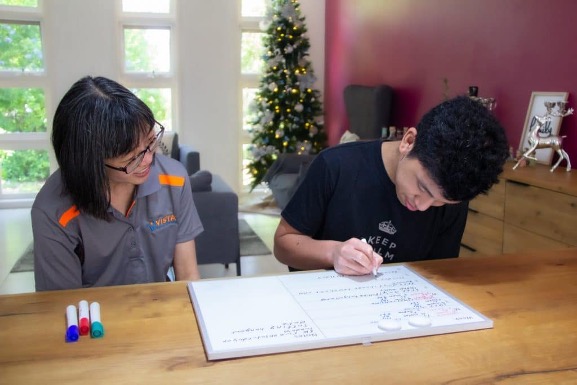
Children experience the world through their senses, including touch, sound, sight, movement, taste, and smell. For most, sensory input is naturally processed and organised by the brain. However, for some children, this process doesn’t happen as smoothly. Sensory processing disorder (SPD) is a condition where the brain has difficulty receiving and responding appropriately to sensory information, which can affect a child’s behaviour, learning, and daily functioning.
At Vista Healthcare, we work with families across Australia to provide compassionate, professional sensory OT support. Our occupational therapists help children with SPD build skills, confidence, and strategies for managing sensory input, both at home and in school settings
What is Sensory Processing Disorder (SPD)?
Sensory processing disorder refers to a neurological difference in the way the brain interprets sensory signals. While not officially listed as a standalone diagnosis in the DSM-5, SPD is widely recognised by health professionals and therapists, particularly in the context of neurodevelopmental support.
Children with SPD may be overly sensitive (hypersensitive) to sensory input, such as loud noises, bright lights, or certain fabrics. Others may be under-responsive (hyposensitive), showing little reaction to pain, temperature, or movement. Some children display sensory-seeking behaviours, craving intense input like spinning, jumping, or rough play.
SPD can exist on its own or be associated with other conditions such as autism, ADHD, or developmental delays. Regardless of the cause, children with SPD often struggle with regulating their emotions and behaviours in response to everyday sensory experiences, which may lead to difficulty at school, at home, or in social settings.
Common Signs and Symptoms in Children
Recognising the signs of SPD in children early allows families to seek support before the challenges impact broader aspects of development. Symptoms can vary widely but may include:
- Over-responsiveness to sound, textures, or touch (e.g., discomfort wearing certain clothes or distress from common noises)
- Under-responsiveness to pain or temperature
- Avoidance behaviours, such as resisting haircuts, tooth brushing, or messy play
- Poor motor coordination or clumsiness
- Difficulty sitting still or concentrating in noisy or stimulating environments
- Frequent meltdowns during transitions or when routines are disrupted
- Unusual sensory-seeking behaviours, such as excessive spinning, crashing into things, or touching everything
- Fatigue or frustration during typical tasks
Not all children with these traits have SPD, but consistent patterns of sensory-related difficulty may indicate a need for professional input. An occupational therapist with experience in paediatrics can help determine whether sensory processing is affecting the child’s participation in daily life.
How Occupational Therapy Helps with SPD
Sensory OT support is tailored to help children respond to sensory input in ways that are more manageable and functional. Occupational therapists (OTs) trained in sensory integration techniques assess how a child’s sensory system works and develop strategies that reduce discomfort and improve engagement.
One common approach is sensory integration therapy, where the OT guides the child through play-based activities that are designed to gradually improve how the brain processes and organises sensory information. These sessions may involve swinging, jumping, climbing, or tactile play with different materials.
Other therapy goals may include:
- Helping the child become more aware of sensory triggers
- Introducing calming strategies to reduce overstimulation
- Building tolerance to textures or movements they typically avoid
- Improving focus and regulation in classroom environments
- Supporting the development of age-appropriate fine and gross motor skills
Vista Healthcare provides these services through mobile occupational therapy, allowing children to receive therapy in a space that’s familiar and supportive. Therapy sessions are flexible, family-inclusive, and aligned with the child’s everyday environment.
Home and School-Based Strategies
While professional therapy is an important part of managing SPD in children, daily strategies at home and school are equally crucial for long-term success. Occupational therapists often develop sensory diets and structured routines of sensory activities that help children stay regulated throughout the day.
Some effective strategies include:
- Establishing consistent routines to reduce anxiety during transitions
- Creating quiet spaces with soft lighting and noise-reducing materials
- Using weighted or pressure items, such as vests or lap pads, for calming input
- Providing tactile play options like kinetic sand, slime, or textured toys
- Offering movement breaks at school or home (e.g., jumping jacks, animal walks)
- Introducing visual schedules to support understanding of routines
Educators and carers can also be supported through consultation with an occupational therapist, helping them adapt environments or learning materials to meet the child’s sensory profile. Vista Healthcare works collaboratively with families and schools to ensure consistent, supportive approaches across all settings.
Getting a Sensory Assessment for Your Child
If you suspect your child may have sensory processing disorder, an assessment by an experienced occupational therapist is the best next step. This involves observing your child in structured and play-based settings, discussing challenges with caregivers, and identifying how sensory factors may be impacting development and behaviour.
Assessments may include standardised tools, parent interviews, and observations of your child’s movement, reactions to stimuli, coordination, and attention. From there, a personalised therapy plan is developed with clear goals.
For families with NDIS plans, sensory OT support may be covered under the Capacity Building – Improved Daily Living category. Vista Healthcare is a professional, NDIS-registered provider offering mobile assessments and therapy across home and community settings. We work closely with families to support functional outcomes that align with their child’s daily life and long-term goals.
Conclusion
Children with sensory processing disorder often face unique challenges in their daily lives, but with early support and the right strategies, they can thrive at home, in school, and beyond. Occupational therapy provides a pathway to help children better manage sensory input, develop skills, and build independence in a supportive, strengths-based way.
If your child shows signs of SPD, seeking professional input can make a meaningful difference in their development and well-being.
Contact Vista Healthcare
If you’re seeking trusted sensory OT support for your child, contact Vista Healthcare. Our team of mobile occupational therapists provides in-home services to support children and families across a wide range of needs. We’re NDIS-registered and committed to helping children live safely, confidently, and independently with compassionate, expert care.