


Top 5 Tips for Seniors Recovering at Home
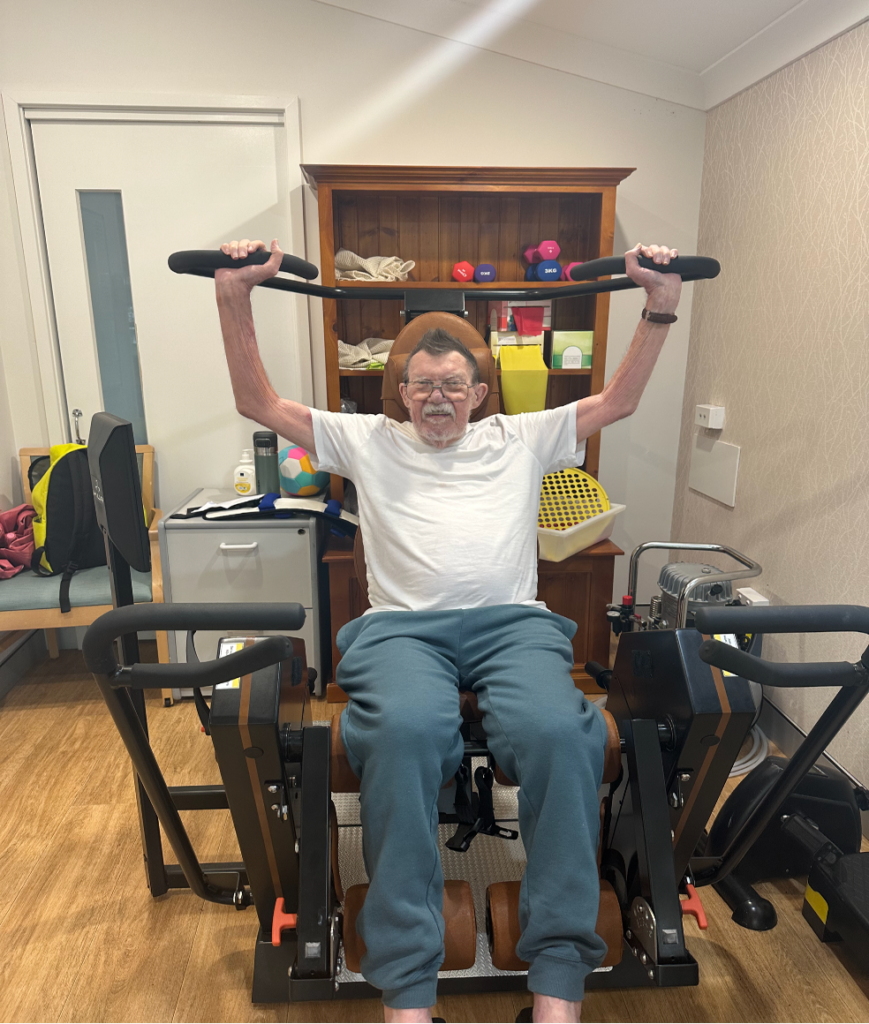
Recovering at home after surgery, illness, or injury offers comfort and familiarity, but it also requires planning and the right support. For seniors, at-home recovery can be highly effective, provided the environment promotes safety, routines are followed, and professional care is accessible.
Whether you’re recovering yourself or assisting a loved one, the following five tips can support a smoother, safer, and more confident recovery at home.
1. Create a Safe and Accessible Environment
A safe home is the foundation of effective recovery. Falls and other preventable accidents are more likely when mobility is limited or routines are disrupted. Adjusting the living space to meet current physical needs helps minimise risks and supports daily function.
Focus on the following areas:
- Flooring: Remove loose rugs, secure mats, and clear walkways of clutter.
- Lighting: Use bright, even lighting in hallways, bathrooms, and bedrooms. Consider motion-sensor night lights for overnight movement.
- Grab rails and supports: Install handrails in bathrooms, along stairs, and near beds or seating areas.
- Furniture positioning: Arrange chairs, tables, and beds to allow clear paths and minimise sharp corners or obstacles.
- Mobility aids: Ensure walkers or canes are adjusted correctly and kept within reach. Avoid makeshift aids such as furniture or towel racks.
For some people, a professional occupational therapist home assessment may be helpful. Vista Healthcare provides this service to identify risks and recommend modifications, helping seniors recover in a secure, practical space.
2. Follow a Routine That Supports Healing
A consistent daily schedule can help the body and mind settle into a recovery rhythm. It encourages predictability, reduces stress, and ensures important tasks like medication and meals aren’t forgotten.
Include the following in your routine:
- Medication management: Use pill organisers or reminder apps to track daily doses.
- Nutrition and hydration: Plan regular meals and snacks with adequate fluids to aid healing and energy levels.
- Rest and sleep: Build in quiet time to avoid fatigue, but avoid too much bed rest unless directed by a healthcare provider.
- Physical activity: Follow prescribed movement or exercises (more on this below) and incorporate light daily activity.
- Appointments and follow-ups: Track dates for therapy sessions, check-ups, or home visits from allied health providers.
Routines offer a sense of control, something that may feel lost after a hospital stay or serious illness. They also reduce the likelihood of skipping important elements of recovery.
3. Stay Active – But Within Limits
Movement supports healing. Staying completely sedentary can increase the risk of stiffness, weakness, or secondary complications such as pressure injuries or respiratory issues. However, not all activity is safe during recovery.
It’s important to:
- Follow a physiotherapy plan when one is provided. This might include stretches, strength exercises, or walking routines.
- Avoid overexertion. Short, frequent sessions are often more effective than long ones.
- Listen to the body. Pain, fatigue, or dizziness are signs that it’s time to pause or adjust the approach.
- Use equipment properly. If using a walker, walking stick or support rail, follow the setup and usage guidance.
- Progress slowly. Don’t attempt stairs, showers, or heavier tasks without checking with your healthcare provider first.
Vista Healthcare offers senior rehabilitation at home, where physiotherapists can visit and deliver customised programs designed for safe, progressive recovery. This is particularly helpful after hip, knee, or back surgery or following extended hospital stays.
4. Don’t Skip Follow-Ups or Professional Care
In-home recovery doesn’t mean doing everything alone. Ongoing support from healthcare professionals is a vital part of rehabilitation, especially for seniors with multiple health concerns or recent hospital admissions.
Consider the following services:
- General practitioner follow-ups: These allow for medication review, wound checks, and progress assessments.
- Allied health support: Physiotherapists, occupational therapists, and other professionals play a key role in physical and functional recovery.
- Aged care or NDIS providers: If part of a formal care plan, support coordinators and service providers ensure needs are met and resources are accessed.
Vista Healthcare provides in-home physiotherapy and occupational therapy services that are NDIS registered and available through Home Care Packages. This includes rehabilitation planning, equipment assessments, and functional training, all delivered at home.
Skipping or delaying care can result in slower healing, complications, or reduced independence. Regular support helps identify and resolve issues early.
5. Look After Mental and Emotional Wellbeing
Recovery isn’t just physical. Many seniors experience a decline in confidence, motivation, or mood after illness, injury, or surgery, particularly if mobility is reduced or social routines are disrupted.
Support emotional wellbeing by:
- Maintaining social connections. Phone calls, short visits, or video chats with friends and family can ease loneliness.
- Encouraging small wins. Progress may be slow, but acknowledging improvements helps build morale.
- Involving the person in decisions. Retaining a sense of control supports motivation and dignity.
- Seeking professional help. Low mood, anxiety, or withdrawal can be addressed through counselling or GP support.
- Stimulating the mind. Reading, puzzles, conversation, music, or hobbies offer distraction and mental engagement.
Carers and family members also need support during this time. If you’re assisting someone during their recovery, check in with your own wellbeing and make time for rest and respite where possible.
Recover Confidently at Home with Vista Healthcare
Vista Healthcare supports older Australians recovering at home with a range of mobile allied health services. Whether recovering from surgery, a fall, illness, or hospital admission, our team of physiotherapists and occupational therapists deliver care in familiar environments.
If you or a loved one is in recovery and needs assistance, contact Vista Healthcare to learn how we can support your recovery goals at home.