


The Role of Physiotherapy in Stroke Recovery
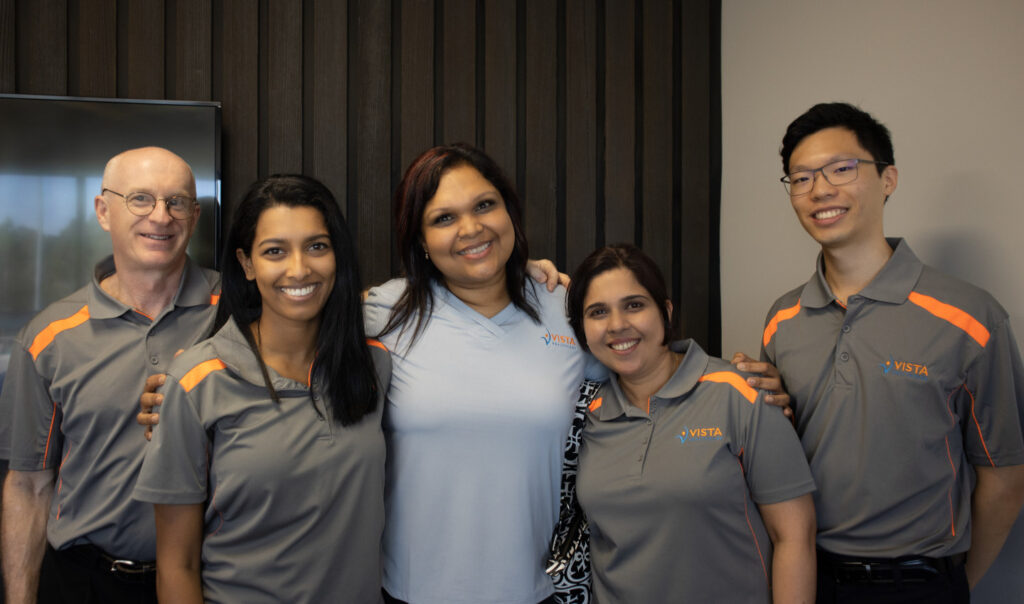
Recovering from a stroke is a complex process that often involves relearning basic movements and adapting to new physical limitations. Physiotherapy plays a vital role in this recovery, supporting individuals to regain mobility, build strength, and improve functional independence.
Stroke physiotherapy recovery is not just about short-term rehabilitation; it focuses on long-term improvements that allow people to return to daily routines with greater confidence and safety. At Vista Healthcare, we provide compassionate and professional care designed to help stroke survivors recover in the comfort of their own home, supporting their unique goals and lifestyle needs.
How Stroke Affects Movement and Mobility
A stroke occurs when the brain’s blood supply is interrupted, leading to damage in areas that control movement, coordination, and muscle function. The effects on the body can vary significantly depending on the location and severity of the stroke.
Common physical effects include:
- Muscle weakness or paralysis, often on one side of the body
- Decreased coordination and balance
- Difficulty walking or standing
- Fatigue and reduced endurance
- Impaired motor planning or control
- Spasticity (tight or stiff muscles)
These changes can impact everyday activities such as walking, dressing, transferring from bed to chair, or maintaining balance. Without targeted rehabilitation, these limitations may lead to increased dependency, isolation, and further health complications. This is where physiotherapy after stroke becomes essential in regaining function and independence.
Goals of Physiotherapy in Stroke Rehabilitation
The primary goal of post-stroke rehab through physiotherapy is to maximise physical recovery and reduce the long-term effects of neurological damage. Physiotherapists work closely with each person to set realistic, meaningful goals that reflect their abilities and priorities.
Core aims of physiotherapy in stroke recovery include:
- Improving mobility and strength: Helping clients walk again or regain movement in affected limbs
- Promoting neuroplasticity: Supporting the brain’s ability to adapt and form new neural pathways
- Preventing secondary complications: Such as joint stiffness, muscle tightness, and pressure injuries
- Improving balance and coordination: Reducing the risk of falls or injury
- Supporting independence: Rebuilding the ability to complete daily tasks without assistance
At Vista Healthcare, our therapists adapt their approach to suit each stage of recovery, whether clients are newly discharged from the hospital or are working on long-term function at home.
Common Physiotherapy Techniques Used
Stroke physiotherapy recovery involves a range of evidence-based techniques designed to restore movement, improve strength, and enhance functional skills. Some of the most commonly used physiotherapy methods include:
- Gait training: Helping clients re-learn how to walk safely and efficiently, sometimes using aids such as walkers or parallel bars.
- Functional strength exercises: Building strength in the arms, legs, and core muscles to support everyday activities.
- Balance and coordination work: Improving posture, stability, and coordination to minimise fall risk.
- Motor relearning: Practising specific movements repetitively to help the brain and muscles work together more effectively.
- Passive movements and stretching: Assisting movement in weak or stiff limbs to maintain joint health and reduce pain.
- Task-based training: Practising real-world tasks such as stepping over objects or sitting and standing repeatedly.
- Assistive technology: Introducing devices or tools that support mobility and independence.
The choice of techniques is guided by individual needs, comfort, and goals. Physiotherapy sessions may also incorporate education for the client and their family on how to continue exercises between visits.
Supporting Stroke Patients at Home
Delivering physio after stroke at home offers significant benefits—particularly for individuals with mobility limitations or those who find clinical environments overwhelming. Home-based physiotherapy ensures that therapy is accessible, personalised, and relevant to the real-world challenges clients face daily.
Vista Healthcare’s mobile physiotherapy model brings experienced practitioners directly to clients’ homes, retirement villages, or supported living environments. This allows therapists to observe and adapt treatment to suit the actual layout and conditions in which clients live. Whether navigating stairs, using the bathroom, or reaching kitchen surfaces, therapy is made functional and immediately applicable.
Involving family members or support workers is another important benefit. Our physiotherapists often include them in education and demonstration sessions, ensuring that everyone understands how to assist with exercises and support long-term recovery goals.
Long-Term Benefits and Success Stories
Recovery from a stroke doesn’t stop after a few weeks of therapy; it is an ongoing process that can lead to significant improvements over months or even years. Consistent, targeted physiotherapy supports long-term physical health, reduces complications, and helps restore confidence.
Some common long-term benefits of stroke physiotherapy recovery include:
- Regaining the ability to walk independently
- Increased muscle strength and endurance
- Improved coordination, leading to safer transfers and movement
- Reduced reliance on mobility aids
- Greater participation in social or community activities
- Reduced risk of falls and hospital readmissions
We’ve seen many clients make steady, meaningful progress with support from our physiotherapists. For example, a client who initially required full assistance for walking may, over time, progress to standing independently and walking short distances using a frame. Others have regained the ability to dress themselves, cook a simple meal, or return to favourite activities like gardening or visiting the local shops.
Every recovery journey is different, and Vista Healthcare is committed to walking alongside each client, providing consistent, compassionate care.
Conclusion
Physiotherapy is a key component of post-stroke rehab, offering practical support to help stroke survivors regain function and independence. Whether focused on walking, strength, coordination, or balance, therapy is most effective when delivered consistently and adapted to individual needs.
At Vista Healthcare, we understand that recovering from a stroke is more than just a clinical process; it’s a personal journey. Our mobile physiotherapists deliver targeted care in the comfort of your home, helping you work towards goals that improve your daily life, safety, and confidence
Contact Vista Healthcare
If you or someone you care for is looking for stroke physiotherapy recovery support, reach out to Vista Healthcare. Our qualified team offers mobile services across a range of home and care settings. As an NDIS-registered provider, we’re ready to support your rehabilitation goals with care that’s compassionate, consistent, and centred on what matters most to you.