


How to Identify Fall Risks in Your Parents' Home
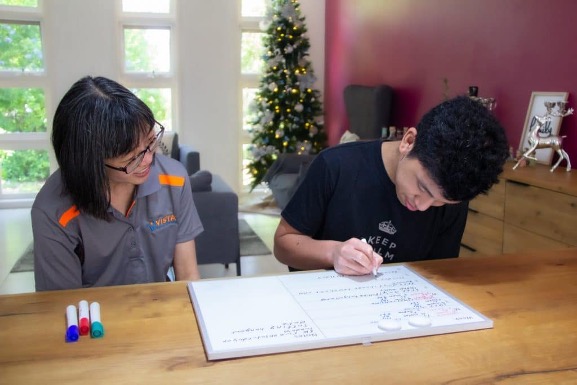
As parents grow older, their risk of falling at home increases. While many falls are preventable, they can still result in serious injury, reduced mobility, or a loss of independence. Families play a vital role in spotting and addressing potential hazards early. With a few practical steps and professional support, it’s possible to create a safer, more manageable environment.
This guide outlines how to assess your parents’ home for fall risks and how Vista Healthcare can assist with expert support, including OT home safety assessments and mobile allied health services.
Why Falls Are a Serious Concern for Older Adults
Falls are one of the most common causes of injury for Australians over 65. They can lead to broken bones, head injuries, and long recovery times. Beyond the physical effects, falls often impact confidence and cause a fear of moving around, which can result in reduced activity, further weakness, and even greater risk of falling again.
The emotional toll is just as significant. Many older adults withdraw socially or avoid engaging in daily routines, which may affect mental wellbeing. The good news is that falls are often avoidable with early intervention and thoughtful adjustments to the home environment.
Common Fall Hazards Inside the Home
Many fall hazards are hidden in plain sight. Everyday items or room layouts can pose challenges for someone with limited mobility, poor vision, or reduced balance. When assessing your parents’ home, consider going room by room.
Living areas:
- Loose rugs or mats that shift underfoot
- Low furniture that is hard to get in and out of
- Electrical cords running across the floor
- Cluttered walkways or furniture placed too closely
Bedrooms:
- Beds that are too low or too high
- Inadequate lighting for night-time movement
- Slippery floors or worn carpets
- No stable furniture nearby for support when standing
Bathrooms:
- Wet floors or tiled surfaces without grip
- Showers or baths without grab rails
- No non-slip mats inside or outside the shower
- Poor lighting or limited ventilation
Hallways and stairs:
- Narrow passageways or poor lighting
- No handrails or unstable handrails
- Steps that are uneven or poorly maintained
Keeping a senior home hazard checklist can help families take a structured approach to identifying risks and planning improvements.
Outdoor Hazards That Shouldn’t Be Overlooked
The area outside the home can be just as risky, particularly when surfaces are exposed to weather or clutter. Many families focus only on inside spaces and forget that slips and trips often happen near the entrance, driveway, or backyard.
Things to check include:
- Uneven pavers, loose tiles, or cracked concrete
- Garden hoses, tools, or pots left in walkways
- Steps or ramps without handrails
- Areas with poor drainage that may become slippery
- Outdoor lighting that doesn’t provide clear visibility
Falls can easily occur during everyday tasks like collecting the mail, feeding pets, or tending the garden. As part of a falls risk assessment, professionals will evaluate these external risks and recommend solutions that balance safety with daily use.
How an OT Can Help Identify and Reduce Risks
An OT home safety assessment provides a thorough, professional review of the home to identify hazards and recommend changes. Occupational therapists (OTs) are trained to observe how a person moves, uses their space, and interacts with everyday objects.
The assessment may include:
- Reviewing the home layout and mobility flow
- Testing access to key areas like the bathroom, kitchen, and bedroom
- Evaluating the suitability of furniture, lighting, and flooring
- Recommending modifications such as rails, ramps, or reconfigured spaces
- Suggesting equipment like walkers, reachers, or non-slip products
- Supporting applications for NDIS or aged care program funding
At Vista Healthcare, our occupational therapists work closely with families to ensure recommendations are practical, cost-effective, and matched to the individual’s needs. We also assist with preparing documentation required by government funding bodies or support coordinators.
Small Changes That Make a Big Difference
You don’t always need a full renovation to reduce fall risks. In many cases, a few simple modifications can significantly improve home safety for seniors.
Here are some examples that can be actioned quickly:
- Install grab rails in bathrooms and along hallways.
- Add non-slip mats in wet areas like showers and kitchens.
- Replace small, unstable rugs with low-pile, secured alternatives.
- Improve lighting with LED strips or motion-sensor options.
- Rearrange furniture to create clear walking paths.
- Add raised toilet seats or shower chairs where needed.
- Install night lights for visibility during overnight bathroom visits.
- Use coloured tape or markings to improve contrast on stairs.
These adjustments help seniors feel more confident moving around the home and can prevent injuries before they occur.
What to Do After a Fall or Near-Miss
If your parent has had a fall, even if there’s no injury, it’s a sign that something needs to change. A near-miss should be taken just as seriously, as it often indicates the presence of a hazard or a change in physical ability.
Here’s what to do:
- Arrange a health check to rule out underlying conditions.
- Document where and how the fall occurred.
- Reassess the environment with a fresh perspective.
- Consult with a physiotherapist or occupational therapist.
- Review medication that could affect balance.
- Discuss emotional impacts such as fear of falling.
Falls are not just accidents; they are warning signs. Addressing them early with professional help can prevent further injury and support better overall wellbeing.
Reduce the Risk of Falls with Vista Healthcare
Vista Healthcare offers mobile services across a variety of home and care settings. Our OT home safety assessments and falls risk assessments are designed to help seniors live comfortably and securely. We assess both physical ability and environmental risks, and we support families through the modification and funding process.
Contact Vista Healthcare today to arrange a home visit and start making practical improvements that support ageing with confidence.