


How Occupational Therapy Supports NDIS Participants in Everyday Life
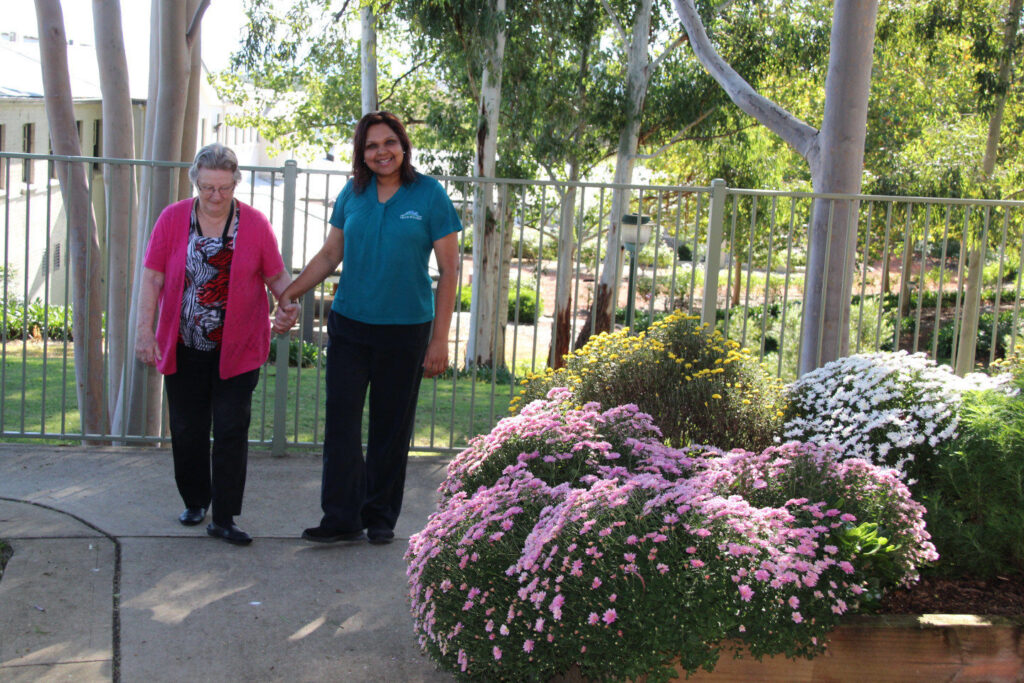
For individuals living with a disability, maintaining independence and safety at home and in the community can require tailored support. Occupational therapy plays a vital role in helping people overcome daily challenges and achieve meaningful goals. Under the National Disability Insurance Scheme (NDIS), participants can access occupational therapy services to assist with physical, emotional, and cognitive needs that affect everyday living.
Vista Healthcare, an NDIS-registered provider, delivers compassionate and mobile NDIS occupational therapy services across various living environments, including homes, shared accommodation, retirement villages and aged care facilities. Our team works closely with participants to support their daily function, personal goals and overall quality of life.
Understanding the Role of Occupational Therapy
Occupational therapy support through the NDIS is designed to help people engage in the everyday tasks that are important to them. These tasks, also called “occupations,” might include personal care, cooking, community access, learning new skills, or managing household responsibilities. Occupational therapists (OTs) are trained to identify challenges that affect independence and to provide practical strategies that improve function, confidence, and safety.
NDIS participants may work with an OT to build routines, learn adaptive techniques, or access assistive equipment. Therapy can be delivered in various formats, depending on the participant’s needs. For example, some clients benefit from regular hands-on therapy sessions, while others require one-off assessments and reports to support home modifications or funding applications.
At Vista Healthcare, our OTs provide evidence-based support that reflects real-life circumstances. By focusing on how a person functions within their own environment, our therapy approach helps people achieve outcomes that matter to them, whether that means dressing independently, preparing meals, or attending local events.
Common Challenges Faced by NDIS Participants
NDIS participants come from all walks of life and live with a wide range of physical, neurological, sensory, or developmental conditions. Some of the most common challenges they experience include:
- Difficulty performing daily self-care tasks such as showering or dressing
- Fatigue or mobility issues that limit participation in social or community activities
- Reduced fine motor skills that impact writing, cooking, or managing finances
- Sensory processing difficulties that affect focus, mood, or behaviour
- Cognitive or psychological barriers that impact routines and independent decision-making
OT for NDIS participants is focused on reducing these barriers by using client-led, goal-directed strategies. For example, an OT may introduce tools to support memory, advise on energy-saving techniques, or help the client gradually build tolerance for new environments.
Vista Healthcare’s mobile occupational therapy services allow therapists to observe and address challenges where they happen—at home, during daily routines, or in shared living settings. This real-world approach allows for more accurate support and practical solutions.
How OTs Develop Personalised Therapy Plans
No two people experience disability in the same way, which is why occupational therapists take an individualised approach. At Vista Healthcare, each therapy plan begins with a thorough assessment, either in-person or in the client’s home environment. This process allows the OT to understand the participant’s functional ability, needs, and priorities.
Once the assessment is complete, a plan is created that outlines short- and long-term goals, therapy strategies, and any support or equipment needed. These goals might include increasing the ability to complete daily living tasks, improving communication, or reducing the risk of falls.
Occupational therapy support through the NDIS is flexible and responsive. As participants progress, their therapy plans can be reviewed and adjusted. The therapist may recommend changes in routines, introduce new assistive technology, or shift the focus toward skill development in a different area of life.
By working collaboratively with participants, families, and support coordinators, Vista Healthcare ensures that therapy plans reflect not just medical needs, but also personal values and lifestyle preferences.
Real-Life Outcomes of OT Support
The impact of occupational therapy can be seen in many areas of daily life. While each participant’s experience is different, common outcomes include:
- Improved personal care: OTs help clients develop the strength, coordination, or routines needed for dressing, grooming, and hygiene.
- Enhanced community participation: Through confidence-building and mobility support, participants can attend social events, shopping trips, or medical appointments more comfortably.
- Greater independence at home: OTs assess kitchen layouts, bathrooms, and furniture to identify ways to make daily activities easier and safer.
- Successful equipment use: Participants are trained to use aids such as shower chairs, reachers, or modified utensils effectively.
- Emotional well-being: By building routine and capability, many participants experience reduced frustration and increased self-confidence.
Vista Healthcare’s approach to NDIS occupational therapy is grounded in supporting these everyday outcomes. We understand that success may look different for each person, whether it’s climbing stairs independently, engaging in a favourite hobby, or managing routines with less support.
Accessing OT Through Your NDIS Plan
OT for NDIS participants is typically funded under the “Capacity Building – Improved Daily Living” category. If your NDIS plan includes this support, you can engage an occupational therapist to help you develop practical skills, access equipment, or improve your independence at home and in the community.
When choosing a provider, it’s important to ensure they are NDIS-registered, particularly for participants with NDIA-managed funding. Vista Healthcare is fully registered and experienced in supporting a wide range of clients with different needs and goals.
To get started, you can contact our team directly or ask your support coordinator to arrange an initial assessment. We’ll work with you to determine the best way to use your funding and provide ongoing reports or updates for your NDIS plan reviews.
Conclusion
Occupational therapy offers NDIS participants practical support for living independently, managing daily tasks, and staying engaged with the community. With a personalised, goal-focused approach, occupational therapy support through the NDIS can lead to meaningful, lasting improvements in confidence, safety, and day-to-day function.
Whether it’s learning new skills or adapting your environment, Vista Healthcare is here to support your journey every step of the way.
Contact Vista Healthcare
If you’re looking for reliable NDIS occupational therapy services that come to you, get in touch with Vista Healthcare. Our mobile therapists provide in-home support across a range of living environments and work with you to achieve goals that matter. Let’s work together to support your independence, mobility, and overall well-being.