


Top Home Modification Ideas to Improve Accessibility
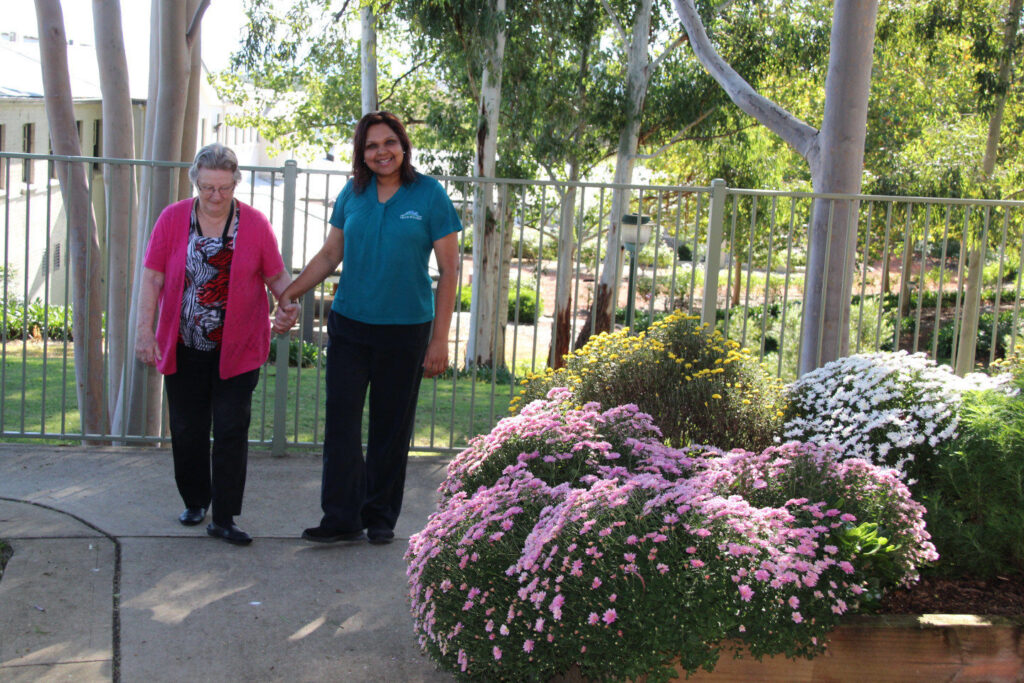
Creating a home that supports safe, independent living is essential for individuals with mobility challenges or disability. With thoughtful planning and the right support, home accessibility modifications can make everyday tasks easier and reduce the risk of injury. These changes not only improve functionality but also support long-term comfort and confidence at home.
At Vista Healthcare, our occupational therapists provide guidance through the entire home modification process. From initial assessments to recommendations and NDIS support, we work alongside clients and families to create spaces that promote freedom, safety, and quality of life.
Why Modify Your Home for Accessibility?
When daily tasks like using the bathroom, preparing meals, or moving between rooms become difficult, the home environment can feel limiting. Home accessibility modifications aim to reduce physical barriers and increase independence, allowing people to carry out activities safely and confidently.
There are several benefits to modifying the home for accessibility, including:
- Reduced risk of falls. Features such as grab rails and non-slip flooring help prevent accidents, especially in bathrooms and entryways.
- Improved function. Adjustments to layout, fixtures, and fittings can make activities like cooking or bathing more manageable.
- Greater independence. When the environment supports physical needs, individuals can complete tasks without relying heavily on carers.
- Enhanced wellbeing. Feeling safe and capable in the home can improve mental and emotional health.
- Support for ageing in place. With the right modifications, individuals can remain in familiar environments for longer.
With an OT home assessment, these changes can be planned to match the specific needs and routines of each person.
High-Impact Changes for Bathrooms and Entrances
Some of the most effective accessibility improvements involve entry points and bathrooms. These are the areas where safety risks are highest and daily routines are most affected by limited mobility.
Recommended modifications include:
For bathrooms:
- Step-free showers with handheld showerheads
- Fold-down shower seats
- Grab rails near toilets and showers
- Non-slip flooring
- Raised toilet seats for easier transfer
- Widened access for mobility devices
For entrances:
- Threshold ramps for doorways and step-free access
- Widened front and internal doors for wheelchairs or walkers
- Lever-style door handles that are easier to grip
- Sensor or automatic lighting to support visibility
These NDIS home mods can greatly reduce the physical effort needed to use key areas of the home and reduce the need for supervision or assistance. Our occupational therapists recommend changes based on the person’s movement, equipment use, and daily routine.
Kitchen Adaptations for Independent Living
Kitchens can be challenging spaces for individuals with limited mobility, vision impairment, or strength-related difficulties. Modifying the layout and appliances can help promote safer, more independent meal preparation and use of the space.
Common kitchen modifications include:
- Lowered benchtops or work surfaces
- Height-adjustable benches for seated and standing use
- Pull-out shelves and drawers for easier access
- Lever-style taps for individuals with reduced grip
- Slip-resistant flooring to prevent falls
- Side-opening ovens with slide-out trays
- Induction cooktops that cool down quickly
- Accessible power outlets and light switches
These changes can support both physical access and safe workflow in the kitchen. Vista Healthcare’s therapists provide recommendations based on the client’s current function, cooking habits, and environment.
Smart Home Tech for People with Disability
Technology can play a valuable role in making homes more accessible and easier to manage. Smart devices and automation can reduce the need for physical movement, provide safety alerts, and improve communication for individuals with disability.
Examples of useful smart home technology include:
- Voice-activated systems to control lights, temperature, and appliances
- Automated blinds or doors for individuals with mobility challenges
- Video doorbells with phone connectivity to increase security
- Sensor lighting that turns on automatically in low light
- Smart plugs that allow remote control of appliances
- Emergency call systems to notify carers or family members
When combined with physical home modifications, smart technology can increase comfort and reduce reliance on others. These features can be included in NDIS home mods where clinically justified by an occupational therapist.
Working with an OT for Home Modifications
An OT home assessment is a key step in identifying what modifications are appropriate and how to implement them safely. Occupational therapists assess the person’s current functional ability, home layout, and daily routine to determine what changes will provide the greatest benefit.
The assessment may include:
- Observing how the person uses each area of the home
- Identifying physical risks, such as trip hazards or narrow access points
- Recommending suitable equipment, structural changes, or design upgrades
- Coordinating with builders, suppliers, and home modification teams
- Preparing supporting documentation for NDIS or funding requests
Vista Healthcare offers this service across a range of settings, including private homes, supported accommodation, and aged care. Our therapists help clients and families plan effective, meaningful improvements that suit the person’s lifestyle and support needs.
We also assist with the NDIS process by preparing reports, working with plan managers, and ensuring that home modifications meet all required guidelines.
Conclusion
Home modifications are an essential part of living independently with confidence and safety. From minor adjustments to larger construction projects, each change contributes to a more accessible and supportive living environment. With the right assessment and planning, homes can be adapted to suit changing physical needs without compromising function or comfort.
Vista Healthcare is here to support clients through the home modification journey, offering expert advice, clinical assessment, and NDIS guidance for individuals and families across Australia.
Plan Accessible Changes with Vista Healthcare
If you or someone you support is considering NDIS home mods, Vista Healthcare can help. Our experienced therapists provide in-home assessments, practical recommendations, and guidance through every stage of the process. Contact us to arrange a professional OT home assessment and create a safer, more accessible living space.