

The Role of Caregivers in Stroke Recovery
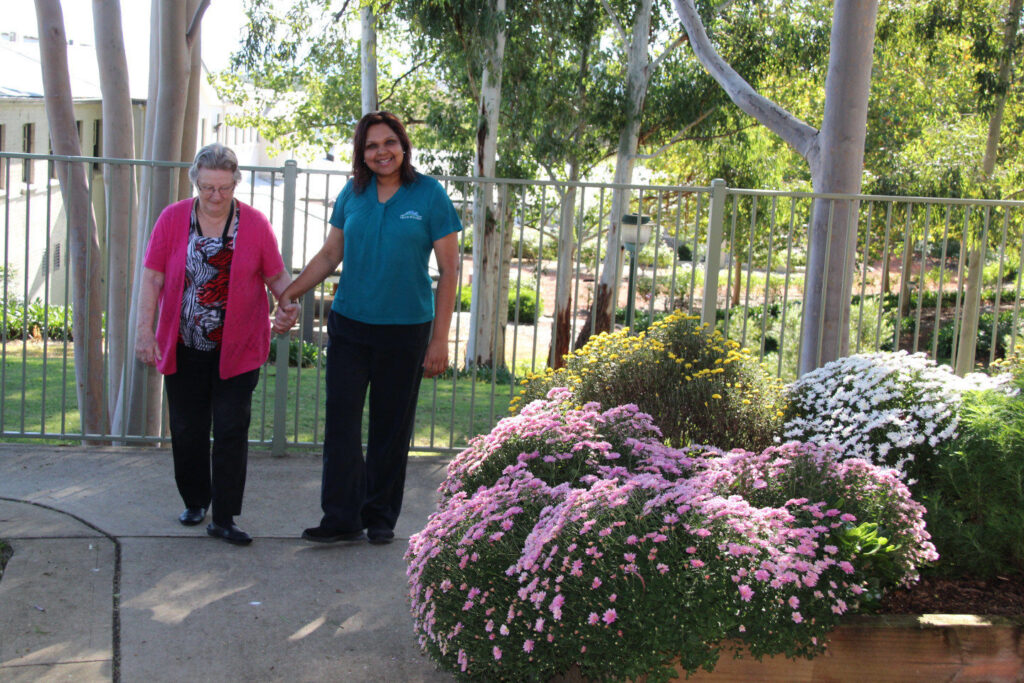
Stroke recovery often extends beyond hospital walls and into the daily lives of families. While healthcare professionals provide essential clinical care, it is usually caregivers, partners, children, siblings or close friends who deliver ongoing support at home. Their role in helping stroke survivors regain independence, confidence and function is crucial.
This article explores the key responsibilities of caregivers during stroke recovery and how allied health support, such as in-home therapy services provided by Vista Healthcare, can make this journey more manageable and effective.
Understanding the Challenges After a Stroke
A stroke can affect people in many different ways. Depending on the area of the brain impacted, a person may experience reduced mobility, changes in communication or speech, cognitive decline, fatigue, and emotional shifts. These challenges can range from mild to severe and may change over time.
Many stroke survivors need assistance with basic activities such as standing, dressing, eating, or managing medication. Others may struggle with memory, mood regulation, or the ability to engage socially. The uncertainty of recovery outcomes often places additional stress on both the individual and their family.
For caregivers, understanding the physical and emotional shifts that follow a stroke is the first step in supporting a loved one’s recovery. Patience and consistency are important, especially when small wins may take time to appear.
Daily Responsibilities of a Caregiver
The day-to-day role of a caregiver in stroke recovery involves far more than helping with physical tasks. While practical duties may include mobility assistance, personal care, or medication reminders, emotional and social support are just as vital.
Key responsibilities often include:
- Assisting with walking, transfers, or positioning
- Helping with hygiene, dressing, and meals
- Monitoring for new symptoms or signs of complications
- Managing medications and attending medical appointments
- Encouraging rehabilitation exercises at home
- Supporting communication where speech is affected
- Helping with paperwork related to NDIS or aged care services
- Providing companionship, encouragement, and reassurance
Caregivers also act as a link between health professionals and the person recovering. By communicating changes, tracking progress, and participating in home-based therapy, they contribute directly to the person’s recovery outcomes.
Emotional and Physical Impact on Carers
Caring for a stroke survivor can be rewarding, but it is not without strain. Many caregivers experience physical exhaustion from lifting, assisting, or managing constant schedules. Mental fatigue and emotional burnout are also common, especially when the person they care for is dealing with mood swings, cognitive changes, or low motivation.
Common emotional challenges for caregivers include:
- Feeling isolated or overwhelmed
- Guilt over not doing enough
- Anxiety about the future
- Changes in personal relationships or routines
- Limited time for self-care or work
It’s important for carers to acknowledge these feelings and seek support when needed. Support groups, respite services, and professional counselling can help. If the stroke survivor is receiving allied health services, the therapist may also offer education and coping strategies for carers.
Recognising the caregiver role in stroke rehab includes valuing the carer’s health and wellbeing, too.
Working with Allied Health Professionals at Home
Stroke recovery is most effective when built around a team approach. In many cases, allied health professionals such as physiotherapists and occupational therapists are part of this team. These professionals help stroke survivors rebuild movement, strength, coordination, and daily living skills, all from within their home environment.
Home-based services offer several benefits:
- Exercises and therapy activities are matched to the person’s real-life setting
- Progress can be observed in tasks such as walking to the bathroom or using the kitchen
- Equipment and aids can be trialled and adjusted within the home
- Carers can be actively involved in the therapy process
In-home stroke recovery therapy also reduces the burden of travel, making it easier to stick to appointments and continue progress between formal sessions. At Vista Healthcare, we deliver both physiotherapy and occupational therapy directly to the home, ensuring the stroke survivor and their caregiver get consistent and accessible care.
For those receiving support through the NDIS stroke rehabilitation pathway, home visits can be built into the participant’s plan. Vista Healthcare works with clients and support coordinators to ensure care is aligned with their goals.
Practical Tips for Supporting Stroke Recovery
Caregivers can make a significant difference in recovery by encouraging daily routines and reinforcing therapy strategies.
Here are a few practical suggestions:
- Set a consistent daily schedule to reduce confusion and fatigue
- Celebrate small achievements to build confidence
- Use mobility aids correctly and as recommended by therapists
- Break tasks into smaller steps when fatigue or frustration occurs
- Encourage independence by allowing the person to do what they can, even if it takes longer
- Record progress to help with motivation and to provide feedback to health professionals
- Adapt the environment to make movement safer, such as reducing clutter or adding rails
- Learn communication strategies if speech or cognition is affected
Simple routines, repetition, and encouragement all contribute to meaningful gains over time.
Accessing Help Through the NDIS or Aged Care Programs
Stroke survivors under 65 may be eligible for support through the National Disability Insurance Scheme (NDIS), which can include funding for physiotherapy, occupational therapy, and other supports. Older adults may receive similar services through a Home Care Package under My Aged Care.
An allied health professional can:
- Complete assessments required for funding
- Assist with goal-setting and reports
- Provide therapy in the home or aged care setting
- Recommend equipment or modifications
Vista Healthcare is a professional NDIS registered provider and can support clients through the planning and delivery of these services
Support Stroke Recovery with Vista Healthcare
Stroke recovery is challenging, but caregivers don’t need to do it alone. Vista Healthcare provides in-home stroke recovery support through physiotherapy and occupational therapy, helping to rebuild strength, movement, and daily function. We work with both stroke survivors and their caregivers to promote safe, goal-driven progress in familiar surroundings.
To discuss NDIS stroke rehabilitation or aged care support options, contact Vista Healthcare today. Our team is here to support your family’s recovery journey with compassion and practical care.